In the world of e-commerce, success isn't just about total sales—it's about understanding the incremental value your bundles create. For merchants using product bundling strategies, additional revenue measures the true business impact of your bundle discounts.
At Turbo Bundles, we've built our entire pricing model around this concept: merchants only pay based on the additional revenue their bundles generate. But what exactly is additional revenue, and why should you care? Let's break down this essential metric.
What is Additional Revenue?
Additional revenue measures the incremental value created by your bundle discounts. It's the extra revenue generated from products that customers buy because of your bundle offers.
The Simple Explanation
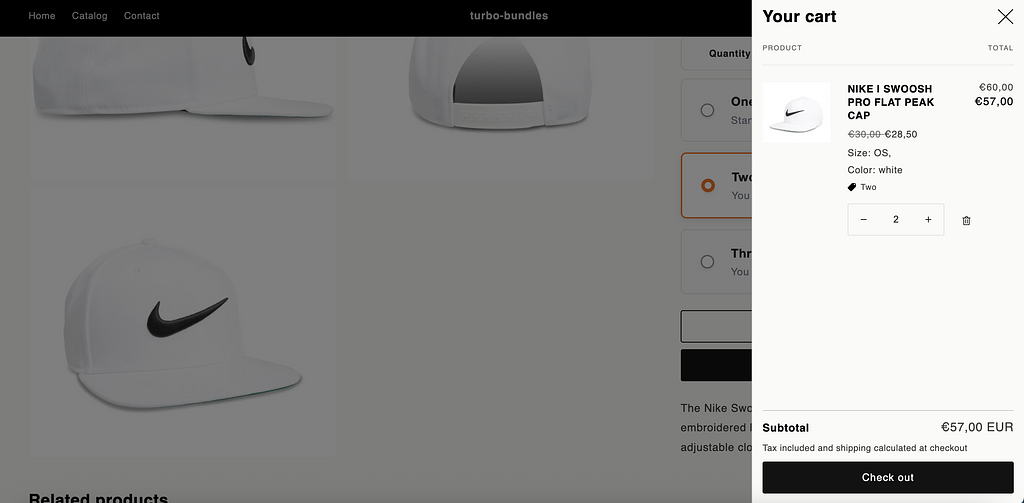
Example: One product costs $30.00 individually
- You offer a bundle of 2 products for $50.00
- Normally 2 products would cost $60.00
- Additional revenue = $20.00
Why this matters: The bundle discount of $10 incentivized the customer to buy the second $30 product. The additional revenue represents the value of that second product that was driven by your bundling strategy.
Why This Matters More Than Total Revenue
Total revenue tells you what customers spent. Additional revenue tells you what bundling added to your business.
Additional revenue shows the true incremental value your bundle strategy creates, not just the revenue it captures. - Turbo Bundles Team

Key Principle: Additional Revenue = Value of Items Driven by Bundle Discount
Your bundle discount creates incremental value:
- Customer pays $50 for 2 items they receive
- They would have paid $30 for 1 item they wanted
- Additional revenue = $20 (the incremental value your bundle created)
Why this works: Additional revenue measures the extra value your bundling strategy generates beyond what customers would have purchased without the bundle discount.
Why Additional Revenue is the Most Important Metric for Bundle Success
1. True ROI Measurement
Traditional metrics can be misleading:
- Conversion Rate: Shows traffic → sales, but not incremental value
- Average Order Value: Includes all products, not just bundle impact
- Bundle Revenue: Only shows what bundles generated, not what they *added*
Additional revenue answers: "How much discount am I providing to drive incremental sales?"
The key insight: Additional revenue measures the incremental value your bundle discount creates. A $10 discount might generate $20 in additional revenue if it drives the purchase of an extra $30 item.
2. Optimizes Your Bundle Strategy
By understanding which bundles create the most additional revenue, you can:
- Prioritize High-Impact Bundles: Focus on bundles that genuinely increase purchase volume beyond what volume discounts alone would achieve
- Eliminate Low-Value Bundles: Stop bundles that just match existing volume discount pricing without creating incremental value
- A/B Test Effectively: Compare bundles based on real incremental value, not just sales volume or discount percentage
3. Informed Pricing Decisions
Additional revenue data helps you:
- Set Optimal Bundle Prices: Balance attractiveness with profitability, knowing the true incremental value
- Calculate True Margins: Understand the real profit impact by accounting for existing discount structures
- Justify Marketing Spend: Prove the ROI of bundle-focused advertising by showing revenue that wouldn't exist otherwise
How Merchants Use Additional Revenue for Success:
Strategy 1: Bundle Value Optimization
Case Study: Fashion Retailer
- Before: All bundles offered 20% discount regardless of product combination
- Analysis: Additional revenue showed that premium product bundles ($200 value) generated 3x more additional revenue than basic accessory bundles ($50 value)
- Result: Focused on high-value bundles, increased overall additional revenue by 60%
Action Steps:
1. Calculate additional revenue potential for different product combinations
2. Prioritize bundles with high individual item values that customers want
3. Test discount levels to maximize incremental purchases, not just discount percentage
4. Focus on bundles that drive purchase of items with highest individual value
Strategy 2: High-Value Product Bundling
Case Study: Electronics Retailer
- Challenge: Premium products had high margins but low conversion
- Solution: Created bundles with premium products at 25% discount, tracked additional revenue
- Result: Premium product sales increased 150%, additional revenue grew 300%
Action Steps:
1. Identify high-margin products with low individual conversion
2. Calculate optimal discount levels that maintain healthy margins
3. Create bundles that make premium products more accessible
4. Monitor additional revenue to ensure profitability
Strategy 3: Inventory Clearance Strategy
Case Study: Fashion Retailer
- Problem: Seasonal inventory needed to be cleared
- Solution: Bundled overstock items with popular products at 30% discount
- Result: Cleared $50K in inventory while generating $15K additional revenue
Action Steps:
1. Identify products with excess inventory
2. Calculate discount needed to move inventory within timeframe
3. Bundle with complementary fast-moving products
4. Track additional revenue vs inventory carrying costs
The Future of Bundle Analytics
As e-commerce evolves, additional revenue tracking will become standard practice. Here's what's coming:
Advanced Attribution Models
- Machine Learning: AI-powered attribution considering hundreds of variables
- Real-Time Updates: Live additional revenue tracking as sales happen
- Predictive Analytics: Forecast bundle performance before launch
Integration with Broader Metrics
- Customer Lifetime Value: How bundles affect long-term customer value
- Inventory Optimization: Bundles that reduce overstock
- Marketing Attribution: How bundles contribute to overall marketing ROI
Conclusion: Make Additional Revenue Your North Star
In the competitive world of e-commerce, understanding the true cost and value of your bundle discounts is crucial. Additional revenue measures exactly what you're investing in your bundling strategy—and what you're getting back.
Start optimizing your additional revenue today:
1. Calculate additional revenue for your current bundles using the formula above
2. Identify bundles that drive purchase of your highest-value items
3. Test different product combinations to maximize incremental value
4. Focus on bundles that generate the highest additional revenue per discount dollar
Remember: Additional revenue measures the true incremental value your bundles create. A great bundle doesn't just offer a discount—it drives customers to buy more than they otherwise would.
---
Ready to unlock the power of additional revenue tracking? Start your free trial of Turbo Bundles and see how much incremental revenue your bundles are actually creating.
Have questions about additional revenue or bundle strategy? Contact our team for personalized advice.